Journal · Oct 28, 2020
Free Yourself By Forgiveness
Forgiveness is a theme I always think about during the Jewish holiday Yom Kippur.
Yom Kippur is the holiest of days. We give account for our lives, and we think about our regrets. We ask God to forgive our mistakes and our infractions.
Many years ago, I had a close friend who was upset with me about something I did. I was definitely at fault, and my friend had a right to be upset with me. When he brought to my attention how upset he was, I apologized.
He did not forgive me.
My infraction was relatively minor, and my apology was sincere. Frankly, I was surprised how upset my friend was about it, and I never understood why he reacted so angrily.
He had the right to talk to me about his anger. I made a mistake, and I appreciated the opportunity to apologize. Did I have the right to expect forgiveness, though?
During Yom Kippur, God will forgive our infractions if we are honest in regretting them.
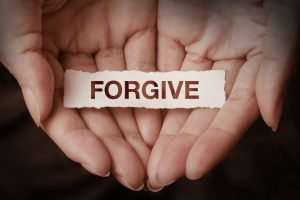
That theme carries through to our relationships with our family and friends. We are supposed to account for our infractions and ask for forgiveness. Our family and friends are supposed to forgive us if we are honest in regretting our infractions. It’s actually a sin to not forgive.
But what if they don’t forgive us? What if they don’t want to forgive us? Don’t feel able to forgive us?
Jewish law says to be entitled to forgiveness, we must do the hard work of discerning what we did wrong, genuinely apologize, and change our behavior so we are no longer capable of committing the same act.
Maimonides taught the way to tell if we deserve forgiveness is when we are availed of the opportunity to make the same mistake again, and we don’t do it. We have remade ourselves into someone who makes a different choice.
Our obligation is greater than just offering words of apology and moving on.
Forgiveness would have made me feel better, and we could have repaired our relationship. But forgiveness is not just for the forgiven. Forgiveness would have also helped my friend. Even if he believed I had not remade myself, there is wisdom in forgiving me in order to move on.
Forgiveness addresses the anger. I believe because my friend didn’t forgive me, the anger never fully went away. The anger festered, and it destroyed our relationship.
Author and Rabbi Shmuley Boteach says, “When we forgive, we are doing it first and foremost for ourselves.”
Boteach continues, “When you don’t forgive someone, you become bitter, and that feeling festers, affecting you more than it affects them. When you forgive, the one you are truly freeing is yourself.”
Rabbi Rachel Barenblat says, “Sometimes I find it helpful to distinguish between forgiveness and letting go. … Maybe I can’t forgive the person who hurt me and who doesn’t seem to even notice that what they did was wrong, but I can make the choice to put down my anger and walk into the new year with a lighter heart.”
Contact me to discuss more ideas about helping your family, or other families, manage conflict effectively.
Make it a great day. I’m sending peace, love, and harmony your way.